

Your City Wasn’t Built for This Rain
Climate change is often talked about in terms of heat, but one of its most immediate impacts is water in the atmosphere.
As the atmosphere warms, it can hold more moisture. In fact, for every degree Celsius increase in temperature, the air can hold about 7% more water vapor. That extra moisture has to go somewhere. When conditions are right, it falls as rain, often quickly, intensely, and in concentrated bursts. Add to that warmer oceans (which fuel storms) and shifting weather patterns that can cause storms to stall over one area, and you get a new reality: heavier, more unpredictable rainfall.
The challenge is that our cities were not built for this version of the climate.
Most urban drainage systems (storm sewers, culverts, retention basins, etc.) were sized using historical rainfall data. Engineers planned for what used to be considered “extreme” events, like a once-in-100-year storm.

Why We Built NOAH CityTwin™
A recent article in The Energy Mix highlights a growing risk that many municipal leaders already feel on the ground: cities that fail to properly assess climate risk are setting themselves up for long-term financial and infrastructure instability. In the United States, researchers are now documenting a “climate-debt doom loop,” where repeated climate shocks erode property values, weaken municipal tax bases, and make it increasingly difficult to finance the resilience investments communities need to remain safe and solvent. Canada is not immune to this dynamic. While our municipal finance system differs from that of the U.S., the underlying risk exposure is the same. Climate impacts are accelerating, infrastructure is aging, and many municipalities lack the tools needed to understand their true risk, let alone to prioritize and finance adaptation in a disciplined, defensible way. This is the gap NOAH CityTwin™ was created to address.

Flood Risk Transparency is the Starting Point for Resilience
A recent Canadian Press article published by CTV on climate risk and house shopping highlights a quiet but important shift underway in Canada’s housing market: flood risk is no longer a secondary concern. It is becoming a first-order consideration for buyers, homeowners, and real estate professionals alike.

Canada’s Emerging Adaptation Market
In December, NOAH participated in the MaRS Climate Impact 2025 Conference and the subsequent MaRS / Tailwind Futures Adaptation & Resilience Innovation Playbook.
Why Insurers & Investors Need Better Flood Data
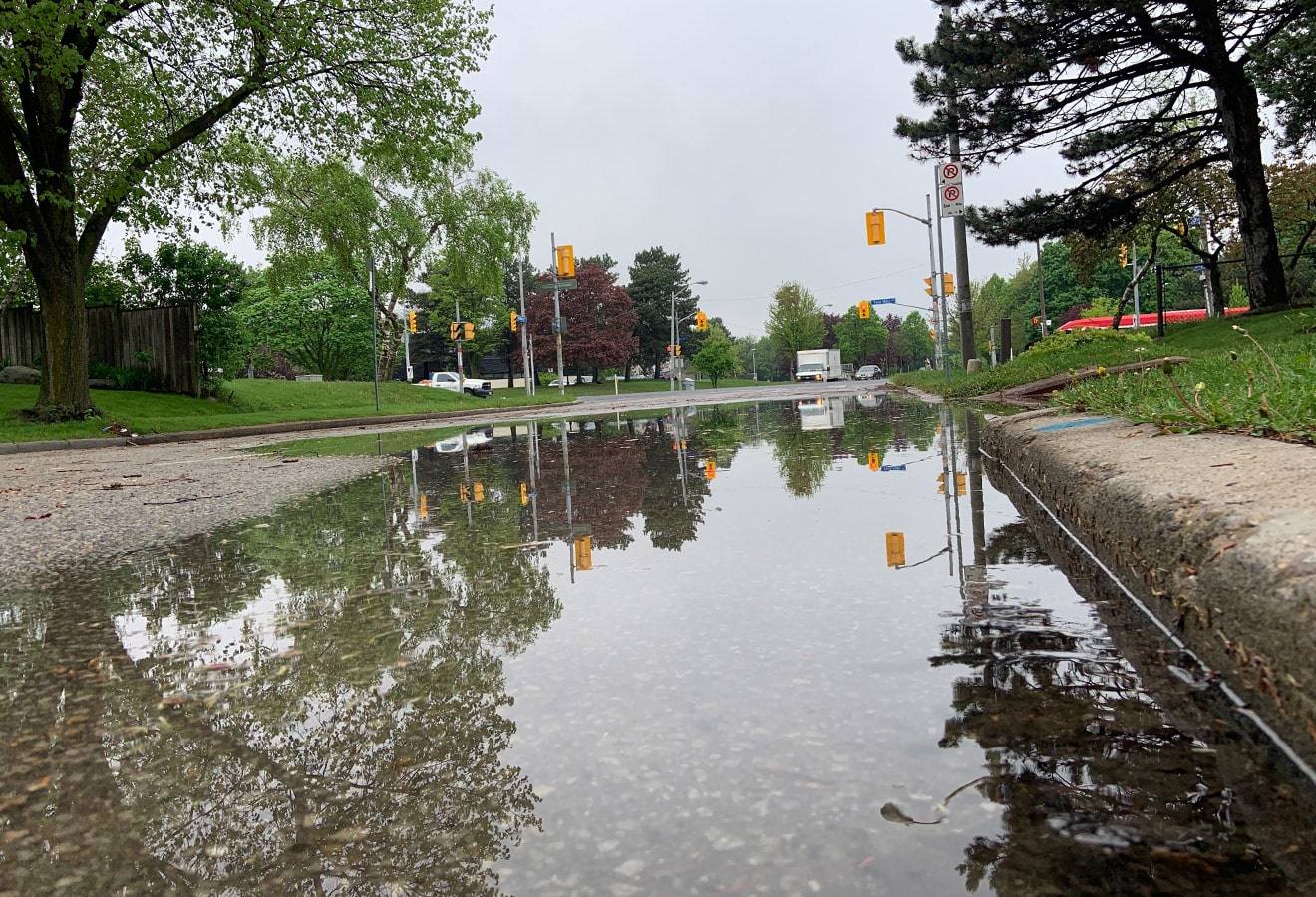
As climate change accelerates, cities and property owners face increasing uncertainty around flood risk. Extreme rainfall events are becoming more intense and frequent, resulting in incomplete risk assessments, underprepared communities, and missed opportunities to fund and prioritize climate resilience.
Rethinking Flood Risk: An Interview with NOAH’s Founders
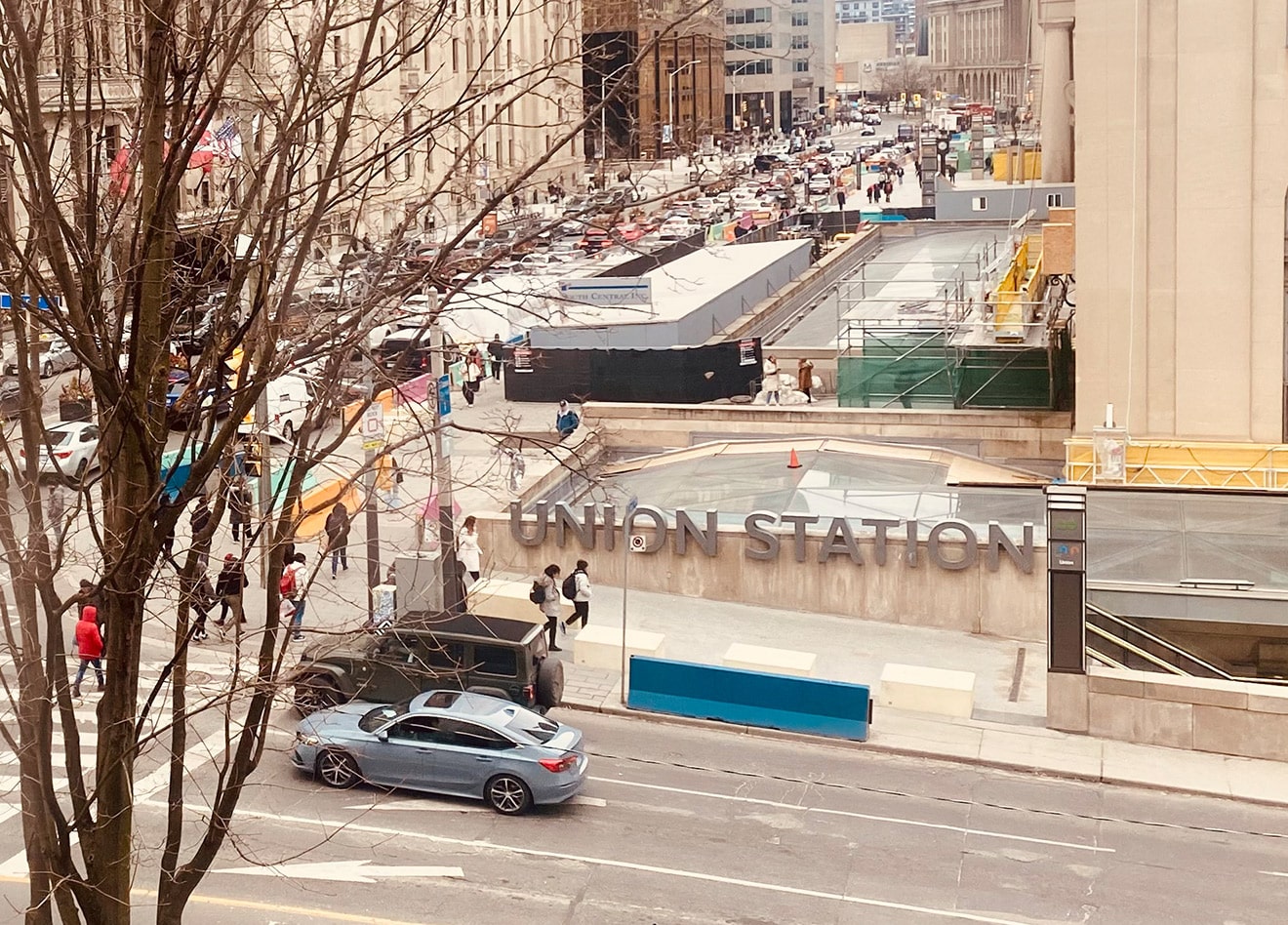
Steve Van Haren and Chris Godsall are seated in the head office of NOAH Intelligence, looking out the window at Union Station across the street. The co-founders have very different backgrounds, but you could easily assume they’ve known each other all their lives – and might comfortably finish the other’s sentences.
NOAH’s Flood Risk Scorecards for Individual Properties: A Physics-based Approach
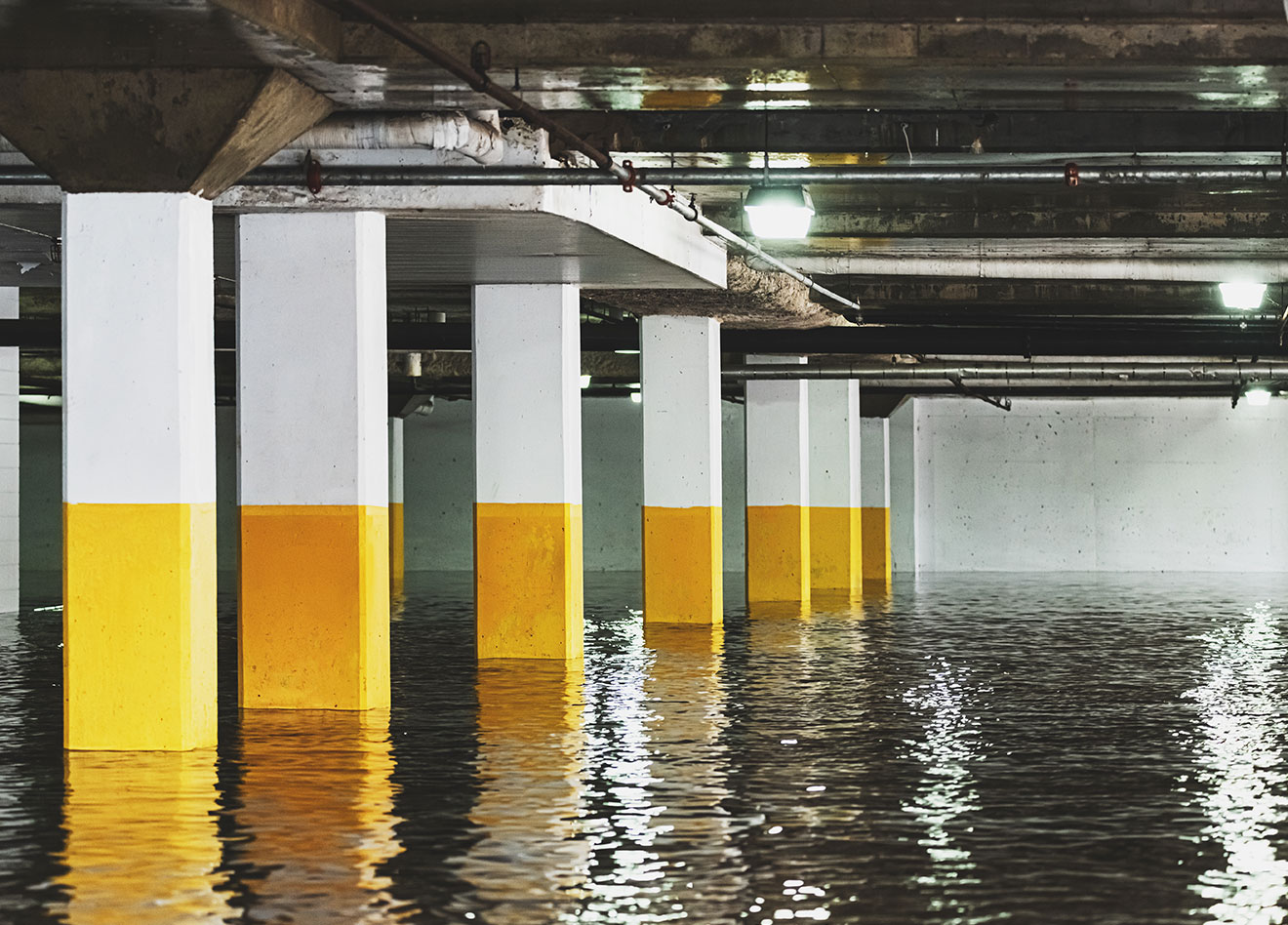
NOAH Intelligence has developed dynamic flood modeling and flood simulation technologies to provide greater accuracy and scalability for property managers, real estate agencies, insurance companies, financial institutions and municipalities. The company is on a mission to help all property owners manage the reality of their flood risk using accurate data and achievable flood defense.
What are “100-Year Flooding Events”? Does it Mean Once Every 100 Years?
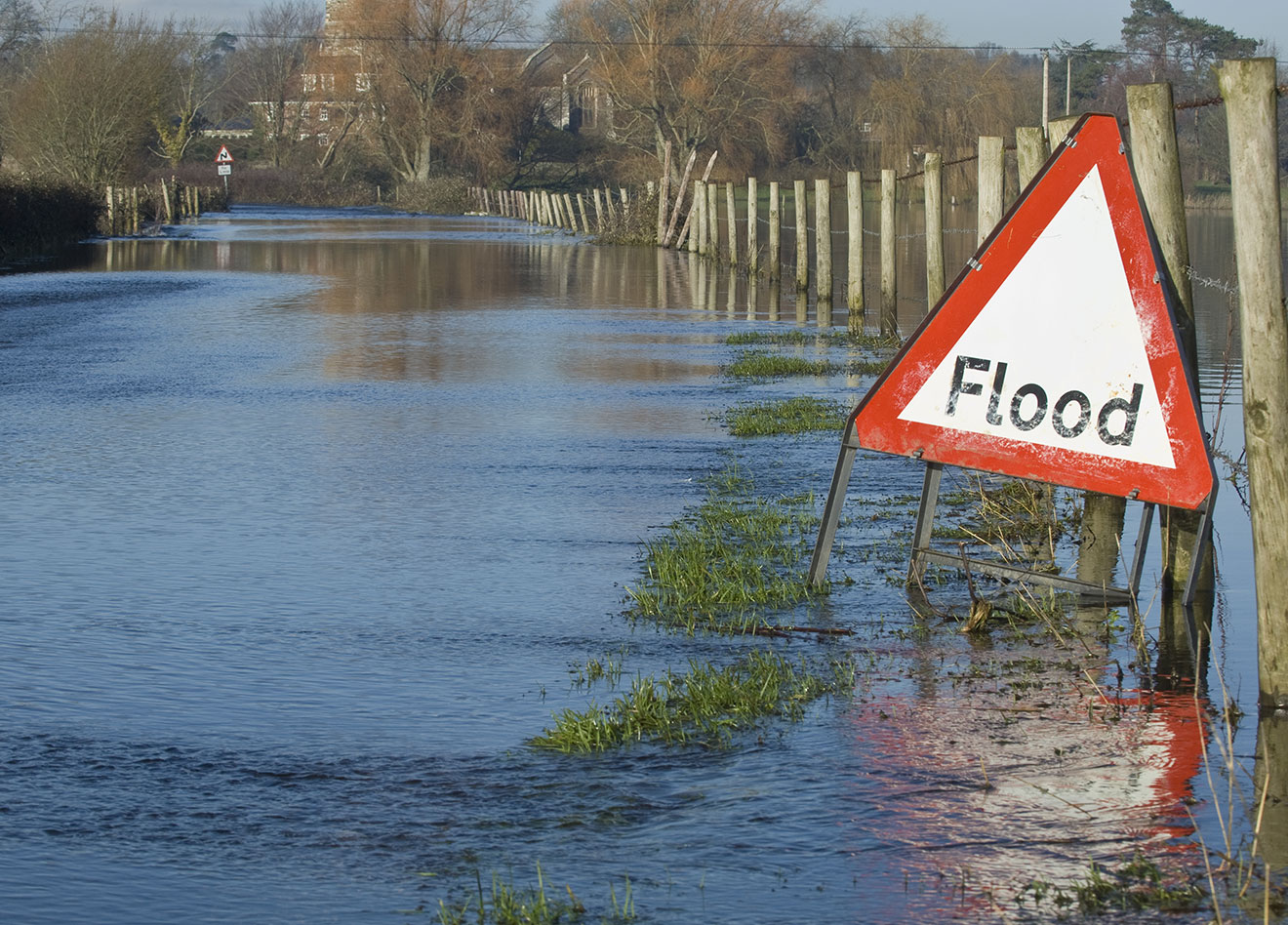
For decades, the term “100-year flooding event” has been used to describe catastrophic floods that are statistically expected to occur, on average, once per century. However, this terminology is increasingly misleading in today’s world of climate change, urbanization, and shifting weather patterns. What was once considered an event with a 1% chance of happening in any given year is now occurring far more often, rendering the description outdated and even misleading in flood risk planning and communication.
Why is Pluvial Flooding the Biggest and Least Understood Risk for CRE
Flooding is the most damaging and most costly climate change risk in Canada. Asset owners planning flood defense are faced with several challenges and choices, including potential investments in dry and/or wet floodproofing, stormwater detention systems, drainage improvements, flood barriers, retention basins, as well as natural flood management options, early warning systems and guaranteed flood response contracts.